
Dry skin isn't just uncomfortable—it can lead to irritation, premature aging, and a compromised skin barrier. Finding the right lotion makes all the difference between tight, flaky skin and a healthy, hydrated complexion.
Why Does Skin Get Dry?
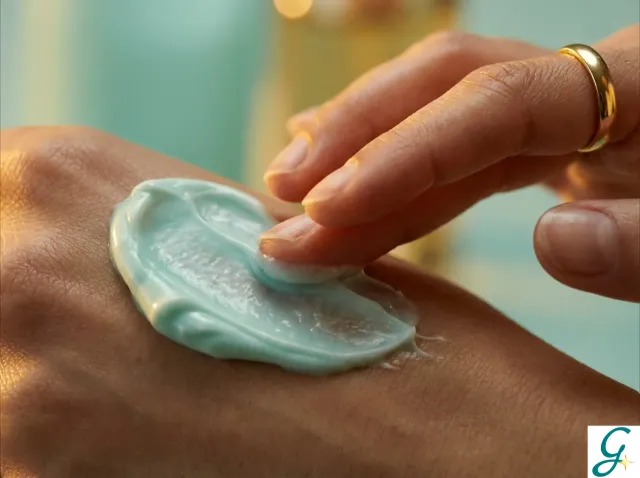
Dry skin occurs when your skin barrier isn't retaining moisture effectively. Common causes include:
- Weather — Cold, dry air and indoor heating strip moisture
- Hot showers — Hot water removes natural oils
- Harsh cleansers — Sulfates and strong detergents damage the barrier
- Age — Skin produces less oil as we get older
- Over-exfoliation — Too much exfoliation weakens the barrier
- Medical conditions — Eczema, psoriasis, and other conditions cause chronic dryness
Key Ingredients in the Best Lotions for Dry Skin
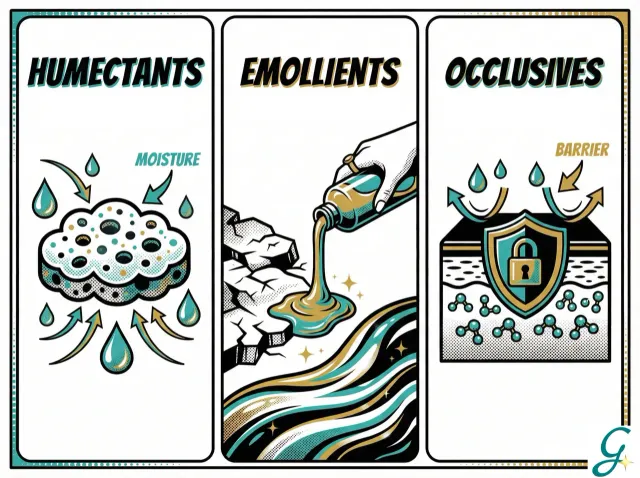
Not all moisturizers are created equal. The best lotions for dry skin contain a combination of:
Humectants (Draw Water In)
These ingredients attract water from the environment and deeper skin layers:
- Hyaluronic Acid — Holds 1000x its weight in water
- Glycerin — Affordable and highly effective
- Urea — Hydrates and gently exfoliates
- Propylene Glycol — Enhances absorption
Emollients (Soften and Smooth)
These fill gaps between skin cells for a smoother texture:
- Squalane — Lightweight, non-comedogenic
- Fatty Alcohols — Cetyl, cetearyl, stearyl alcohol
- Shea Butter — Rich and nourishing
- Plant Oils — Jojoba, argan, rosehip
Occlusives (Lock Moisture In)
These create a protective barrier to prevent water loss:
- Petrolatum — Most effective occlusive (reduces water loss by 99%)
- Dimethicone — Silicone-based, lightweight
- Lanolin — Rich, best for very dry skin
- Beeswax — Natural occlusive
What to Look for in a Dry Skin Moisturizer
For Face
- Ceramides — Restore the skin barrier
- Niacinamide — Strengthens barrier and reduces water loss
- Non-comedogenic — Won't clog pores
- Fragrance-free — Less irritation risk
For Body
- Richer formulas — Body skin can handle heavier products
- Large sizes — You'll use a lot
- Quick absorption — So you're not sticky all day
Best Lotion Textures for Dry Skin
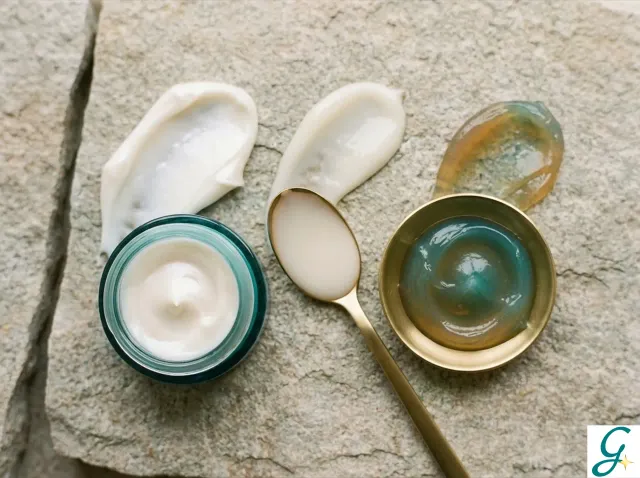
Creams
Thick, rich formulas best for very dry skin. Ideal for nighttime use or harsh winter months.
Lotions
Lighter than creams, absorb faster. Good for daily use and layering under makeup.
Ointments
Heaviest option, nearly pure occlusives. Best for extremely dry patches or conditions like eczema.
Balms
Concentrated, often solid at room temperature. Great for targeted dry areas like elbows and heels.
How to Apply Lotion for Maximum Hydration
Timing Matters
Apply moisturizer within 3 minutes of washing your face or showering. Damp skin absorbs products better and locks in more moisture.
The Right Amount
- Face: Nickel to quarter-sized amount
- Body: Don't skimp—use enough to cover without rubbing in completely dry
Application Technique
- Warm product between palms
- Press into skin (don't rub aggressively)
- Use upward motions on face
- Don't forget neck, chest, and hands
Layer Strategically
For extremely dry skin, layer products:
- Hydrating toner or essence
- Hyaluronic acid serum
- Moisturizer
- Facial oil or occlusive (nighttime)
Dry Skin Remedies Beyond Lotion
Adjust Your Shower Routine
- Lukewarm water, not hot
- Limit showers to 10 minutes
- Pat dry, don't rub
- Moisturize immediately after
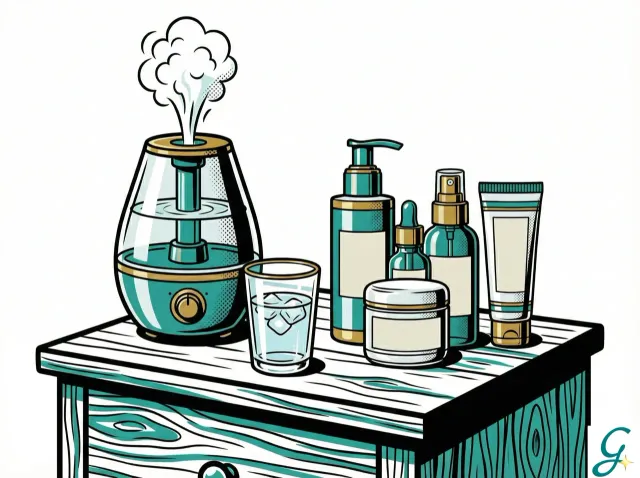
Use a Humidifier
Indoor heating dries air. A humidifier adds moisture back, especially while sleeping.
Choose Gentle Cleansers
Switch to cream or oil-based cleansers. Avoid foaming cleansers with sulfates.
Protect Your Skin Barrier
- Don't over-exfoliate
- Avoid harsh actives when skin is compromised
- Use barrier-supporting ingredients (ceramides, niacinamide)
Stay Hydrated
Drink enough water. While hydration from within isn't a cure-all, dehydration worsens dry skin.
Common Dry Skin Mistakes
1. Using the Wrong Cleanser
Foaming cleansers strip natural oils. Switch to cream, milk, or oil cleansers.
2. Skipping Moisturizer Because Skin Feels Oily
Dehydrated skin can overproduce oil. Moisturizing actually helps balance this.
3. Only Moisturizing When Skin Feels Dry
Prevention is easier than repair. Moisturize consistently, not just when you notice dryness.
4. Applying Products to Dry Skin
Damp skin absorbs products better. Always apply to slightly damp skin.
5. Forgetting SPF
Sun damage worsens dryness and ages skin. Use SPF daily, even in winter.
When to See a Dermatologist
Consult a professional if:
- Dryness is severe or painful
- OTC products aren't helping
- You have cracking or bleeding skin
- Dryness is accompanied by rash or itching
- You suspect eczema or psoriasis
Prescription treatments like stronger moisturizers or topical steroids may be needed.
Building a Dry Skin Routine
Morning:
- Gentle cleanser (or water rinse)
- Hydrating serum (hyaluronic acid)
- Moisturizer
- Sunscreen
Evening:
- Oil cleanser (if wearing makeup/SPF)
- Gentle cleanser
- Hydrating serum
- Rich moisturizer or night cream
- Facial oil or occlusive (optional)
Frequently Asked Questions
What is the best lotion for extremely dry skin?
The best lotions for extremely dry skin contain a combination of humectants (hyaluronic acid, glycerin), emollients (ceramides, shea butter), and occlusives (petrolatum, dimethicone). Look for rich creams with ceramides to repair the skin barrier. For severe dryness, ointments with petrolatum are most effective.
Should I use lotion or cream for dry skin?
Creams are better for dry skin than lotions. Creams have a higher oil-to-water ratio, providing more moisture and barrier protection. Lotions are lighter and absorb faster but may not provide enough hydration for truly dry skin. For very dry skin, consider ointments or balms.
How often should I moisturize dry skin?
Moisturize at least twice daily—morning and evening—and always within 3 minutes of washing your face or showering when skin is still damp. You may need to reapply during the day if skin feels tight, especially in dry or cold environments.
Why is my skin still dry even with moisturizer?
Your skin may still be dry because you're using the wrong moisturizer (too light), applying to dry instead of damp skin, over-cleansing with harsh products, not using enough product, or dealing with environmental factors like low humidity. Consider switching to a richer formula and using a humidifier.
What ingredients should I look for in a dry skin moisturizer?
Look for hyaluronic acid (draws water into skin), glycerin (humectant), ceramides (repairs barrier), squalane (lightweight moisture), shea butter (rich emollient), and petrolatum (seals in moisture). Avoid products with alcohol denat. or fragrance, which can further dry skin.
Is Vaseline good for dry skin?
Yes, Vaseline (petrolatum) is excellent for dry skin. It's the most effective occlusive, reducing water loss by up to 99%. Apply it as the last step of your routine to seal in moisture. It's non-comedogenic despite its thick texture and is safe for sensitive skin.
Track Your Hydration Journey
Finding the right products for dry skin often takes trial and error. Tracking helps you:
- Remember which products work
- Note how your skin responds to weather changes
- Stay consistent with your routine
- Identify triggers that worsen dryness
Glimmer helps you build and maintain a hydrating routine with daily reminders and product tracking.
Sources
- Rawlings, A. V., & Harding, C. R. (2004). "Moisturization and skin barrier function." Dermatologic Therapy, 17(s1), 43-48.
- Lodén, M. (2003). "Role of Topical Emollients and Moisturizers in the Treatment of Dry Skin Barrier Disorders." American Journal of Clinical Dermatology, 4(11), 771-788.
- Sethi, A., Kaur, T., Malhotra, S. K., & Gambhir, M. L. (2016). "Moisturizers: The Slippery Road." Indian Journal of Dermatology, 61(3), 279-287.