
You've invested in products, built a routine, and stayed consistent. But is it actually working? Without proper tracking, you're flying blind—potentially wasting time and money on products that don't deliver.
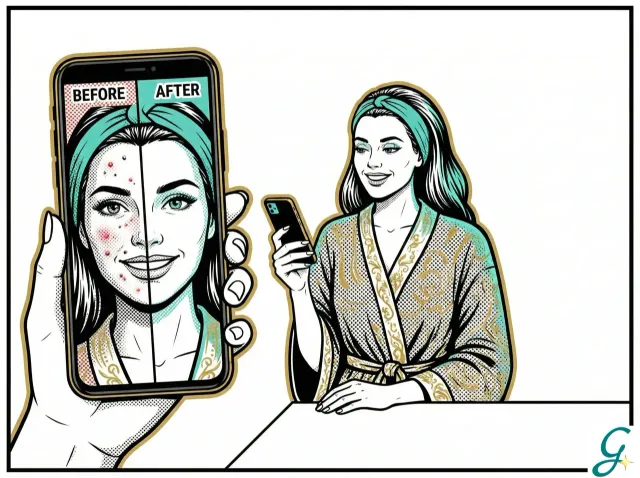
Why Tracking Matters
The Problem with Perception
Your brain adapts to gradual changes. You look in the mirror daily and don't notice:
- Slow fading of dark spots
- Gradual texture improvement
- Subtle reduction in redness
- Fine lines softening over time
Without tracking, you might abandon a working routine or continue one that isn't helping.
What Tracking Reveals
- Which products work — Connect results to specific products
- Which products don't — Stop wasting money
- Optimal timing — When your skin responds best
- Triggers — What causes flare-ups
- Patterns — Hormonal cycles, seasonal changes
Methods for Tracking Skincare Progress
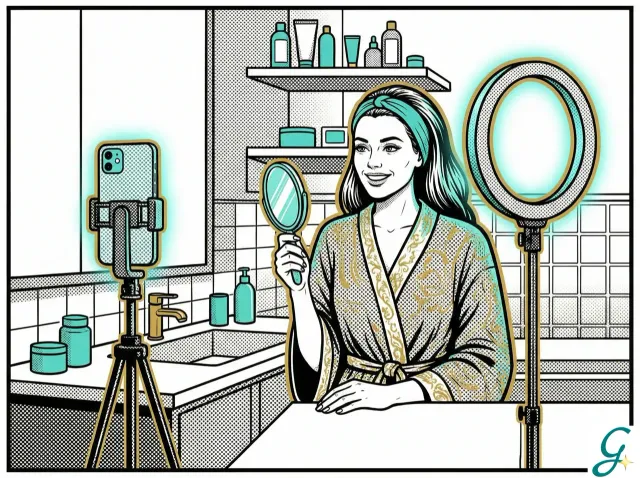
1. Photo Documentation
The most objective method. Photos capture what your eyes miss.
How to do it:
- Take photos weekly (same lighting, angle, time)
- Include front view and both profiles
- No makeup, natural light
- Compare photos monthly
What to look for:
- Changes in tone and color
- Texture differences
- Acne healing
- Overall clarity
2. Written Journal
Document your routine and observations daily or weekly.
What to record:
- Products used (morning and evening)
- How skin feels (tight, oily, balanced)
- Any reactions or irritation
- Breakouts or improvements
- Lifestyle factors (sleep, stress, diet)
Format options:
- Physical notebook
- Notes app
- Dedicated skincare app
3. Product Log
Track every product you use with:
- Start date
- Expected results
- Actual results
- Any reactions
- Would you repurchase?
This prevents buying duplicates and helps you remember what worked.
4. Skin Concern Scoring
Rate your concerns on a scale (1-10) weekly:
| Concern | Week 1 | Week 4 | Week 8 | Week 12 |
|---|---|---|---|---|
| Acne | 7 | 6 | 4 | 2 |
| Redness | 5 | 5 | 4 | 3 |
| Texture | 6 | 5 | 4 | 3 |
| Hydration | 4 | 6 | 7 | 8 |
Numbers reveal trends your perception might miss.
5. App-Based Tracking
Dedicated apps combine multiple tracking methods:
- Photo journals with comparison features
- Routine logging with reminders
- Product databases
- Progress analytics
What to Track
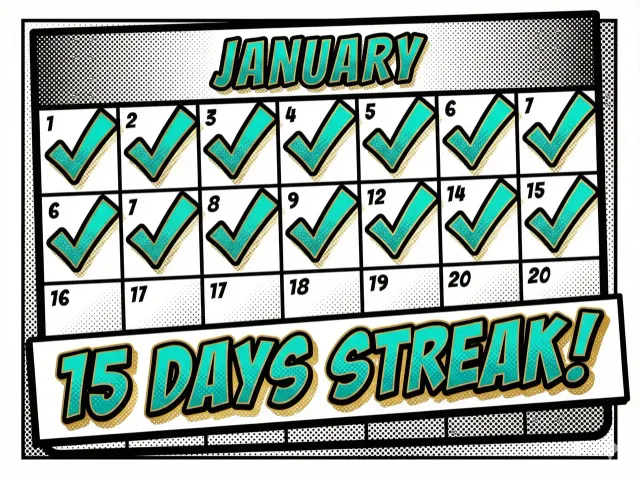
Daily Tracking (Quick)
- Morning routine completed ✓
- Evening routine completed ✓
- Any notable observations
Time required: 30 seconds
Weekly Tracking (Detailed)
- Progress photo
- Skin concern ratings
- Product notes
- Lifestyle factors
Time required: 5 minutes
Monthly Review
- Compare photos (this month vs. last month)
- Evaluate product effectiveness
- Adjust routine if needed
- Set goals for next month
Time required: 15 minutes
Interpreting Your Progress
Realistic Timelines
Don't expect overnight results. Here's what's realistic:
| Goal | Timeline |
|---|---|
| Improved hydration | 1-2 weeks |
| Reduced oiliness | 2-4 weeks |
| Acne improvement | 6-8 weeks |
| Faded dark spots | 2-4 months |
| Reduced fine lines | 3-6 months |
| Significant anti-aging | 6-12 months |
Signs of Progress
Positive signs:
- Skin feels more balanced
- Fewer new breakouts
- Existing spots fading
- Improved texture
- Healthy glow
Signs to adjust:
- Persistent irritation
- New breakouts in unusual areas
- Increased sensitivity
- No change after 8+ weeks
Purging vs. Breaking Out
When starting actives (retinoids, AHAs, BHAs):
Purging (normal):
- In areas you typically break out
- Pimples resolve faster than usual
- Improves after 4-6 weeks
Breaking out (problem):
- In new areas
- Deep, inflamed pimples
- Doesn't improve
Your tracking data helps distinguish between the two.
Common Tracking Mistakes
1. Inconsistent Documentation
Sporadic tracking provides incomplete data. Set reminders for regular check-ins.
2. Only Tracking When Skin Is Bad
You need the full picture—good days and bad days. Track consistently.
3. Changing Too Many Variables
If you introduce multiple products at once, you can't identify what's working. One change at a time.
4. Ignoring Lifestyle Factors
Sleep, stress, diet, and hormones affect skin. Track these alongside products.
5. Giving Up Too Soon
Most products need 6-8 weeks to show results. Don't quit before giving them a fair chance.
6. Not Reviewing Data
Tracking is pointless if you never analyze it. Schedule monthly reviews.
Using Data to Optimize Your Routine
Identify Winners
Products that correlate with improvement are keepers. Note them for repurchase.
Eliminate Losers
Products that don't help (or make things worse) should go. Don't let sunk cost keep you using ineffective products.
Find Patterns
- Does your skin worsen before your period?
- Do certain foods trigger breakouts?
- Does stress affect your skin?
Patterns reveal opportunities for intervention.
Adjust Strategically
Based on your data:
- Increase frequency of what works
- Decrease or eliminate what doesn't
- Address newly identified concerns
Building a Tracking Habit
Start Simple
Don't create an elaborate system you won't maintain. Begin with:
- Weekly photo
- Daily routine check-off
- Brief notes when something notable happens
Use Technology
Apps make tracking easier:
- Automatic reminders
- Organized photo storage
- Easy logging interface
Make It Part of Your Routine
Track immediately after your skincare routine while it's fresh in your mind.
Review Regularly
Set a monthly calendar reminder to review your progress and adjust your approach.
Frequently Asked Questions
How do I know if my skincare routine is working?
Signs it's working: skin feels balanced (not tight or oily), improved hydration, fewer breakouts, brighter complexion, and smoother texture. Compare progress photos taken 4-6 weeks apart. Give products adequate time—most need 4-8 weeks to show results.
How long should I try a skincare product?
Give most products 4-6 weeks (one skin cell cycle). Retinoids and anti-aging products need 8-12 weeks. Hydrating products may show results in 1-2 weeks. Stop immediately only if you experience severe irritation, burning, or allergic reactions.
What is skin purging vs breaking out?
Purging occurs with actives that increase cell turnover (retinoids, AHAs, BHAs)—pimples appear in your usual breakout areas and resolve faster than normal. Breaking out means new pimples in unusual areas, deep/inflamed, and not improving. Purging improves after 4-6 weeks; breakouts don't.
How do I track which skincare products work?
Introduce one new product at a time, waiting 2-4 weeks between additions. Log your daily routine, take weekly photos, and note any changes. After 6-8 weeks, evaluate: did skin improve, stay the same, or worsen? This isolates each product's effect.
Why does my skin look worse before it gets better?
This can be purging (with retinoids/acids), initial adjustment to new products, or coincidental breakouts from other factors. True purging improves after 4-6 weeks. If skin continues worsening, the product may not be right for you. Track carefully to distinguish.
What should I write in a skincare journal?
Track: date, products used (AM/PM), any new products introduced, skin observations (breakouts, dryness, improvements), lifestyle factors (sleep, stress, diet, menstrual cycle), and weekly photos. Review monthly to identify patterns and what's working.
Track Your Progress with Glimmer
Glimmer combines all tracking methods in one app:
- Photo journal — Consistent progress documentation
- Routine tracking — Log what you use daily
- Reminders — Never forget to track
- Product management — Know what you're using
- Progress insights — See your improvement over time
Stop guessing. Start tracking. See real results.
Sources
- Kligman, A.M. The future of cosmeceuticals: an interview with Albert Kligman, MD, PhD. Interview by Zoe Diana Draelos. Dermatology Surgery, v. 31, p. 890-891, 2005
- Mukherjee, S., et al. (2006). "Retinoids in the treatment of skin aging: an overview of clinical efficacy and safety." Clinical Interventions in Aging, 1(4), 327-348.
- Draelos, Z. D. (2010). "Cosmeceuticals: Efficacy and Influence on Skin Tone." Dermatologic Clinics, 28(4), 587-593.