
Enlarged pores are one of the most common skincare concerns. While you can't actually shrink pores, you can minimize their appearance with the right routine and products.
Understanding Pores
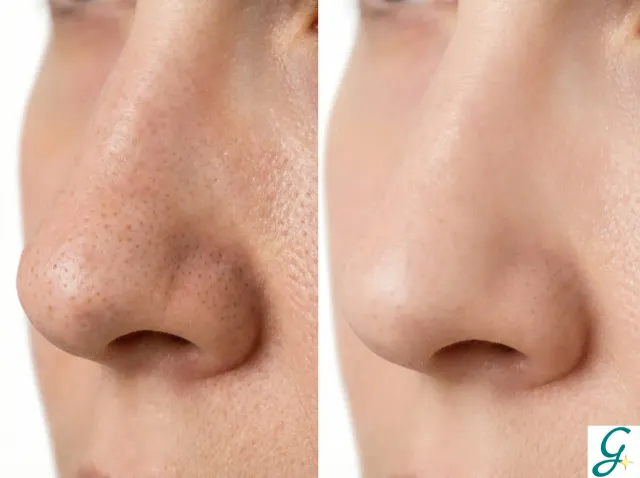
Pores are the openings of hair follicles on your skin. They release sebum (oil) that keeps skin lubricated and protected. Everyone has pores—they're essential for healthy skin.
Why Do Pores Look Enlarged?
- Genetics — Pore size is largely hereditary
- Oily skin — Excess sebum stretches pores
- Age — Loss of collagen makes pores more visible
- Sun damage — UV breaks down collagen around pores
- Clogged pores — Debris stretches pore walls
- Picking at skin — Damages pore structure
The Truth About Pore Size
Pores cannot shrink. They don't have muscles to open and close. But you can:
- Keep them clear so they appear smaller
- Strengthen surrounding skin
- Reduce oil that makes them more visible
- Use products that blur their appearance
Best Ingredients to Minimize Pores
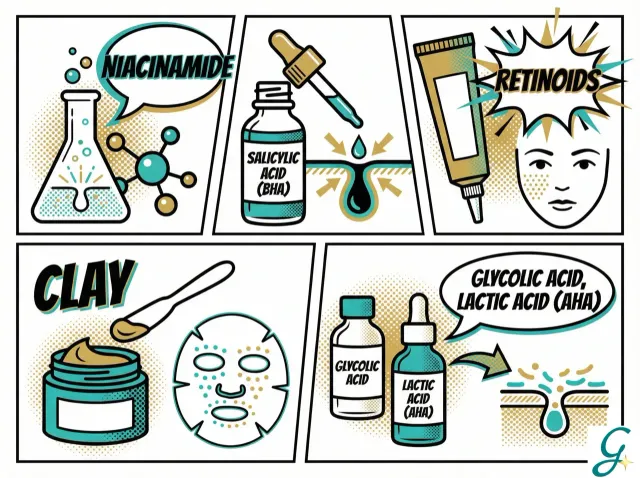
Niacinamide
The star ingredient for pore minimizing. Niacinamide:
- Regulates sebum production
- Strengthens the skin barrier
- Reduces pore appearance over time
- Works well with most other ingredients
How to use: 5-10% concentration, morning and/or evening
Salicylic Acid (BHA)
Oil-soluble acid that penetrates pores to clear them from within.
- Dissolves sebum and dead skin inside pores
- Reduces blackheads
- Keeps pores clear and less visible
How to use: 0.5-2% concentration, 2-3x per week
Retinoids
Increase cell turnover and boost collagen production.
- Prevent pores from getting clogged
- Strengthen skin around pores
- Long-term pore-minimizing benefits
How to use: Start with low-strength retinol, 2-3x per week, building up gradually
Clay
Absorbs excess oil and temporarily tightens pores.
- Kaolin and bentonite are most common
- Best used in masks 1-2x per week
- Provides immediate (temporary) tightening effect
AHAs (Glycolic, Lactic Acid)
Surface exfoliants that keep pores clear.
- Remove dead skin that can clog pores
- Improve overall skin texture
- Brighten complexion
How to use: 2-3x per week, evening only
The Pore-Minimizing Routine
Morning Routine
- Gentle cleanser — Remove overnight oil without stripping
- Niacinamide serum — Regulate oil, minimize pores
- Lightweight moisturizer — Hydrate without clogging
- Sunscreen — Prevent collagen damage that worsens pores
Evening Routine
- Oil cleanser — Dissolve sunscreen and makeup
- Water-based cleanser — Second cleanse
- BHA exfoliant (2-3x/week) — Clear pores
- Retinol (alternate nights) — Cell turnover
- Moisturizer — Support skin barrier
Weekly Treatment
Clay mask (1-2x/week) — Deep clean pores and absorb oil
Korean Skincare for Pores
Korean skincare (K-beauty) offers excellent pore-minimizing products and techniques:
Double Cleansing
Oil cleanser followed by water-based cleanser ensures pores are thoroughly clean.
Essence and Toners
Hydrating layers that plump skin and make pores less noticeable.
Sheet Masks
Provide intense hydration that temporarily minimizes pore appearance.
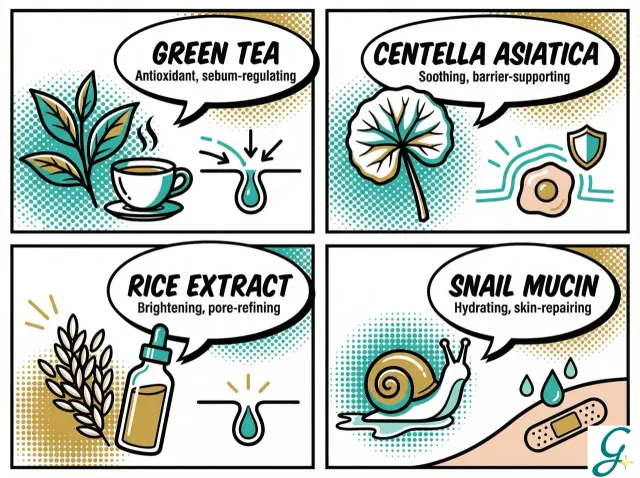
Popular K-Beauty Pore Ingredients
- Green tea — Antioxidant, sebum-regulating
- Centella asiatica — Soothing, barrier-supporting
- Rice extract — Brightening, pore-refining
- Snail mucin — Hydrating, skin-repairing
Lifestyle Factors That Affect Pores
Keep Skin Clean
- Remove makeup every night
- Cleanse after sweating
- Don't touch your face unnecessarily
- Clean phone screens and pillowcases regularly
Protect from Sun
UV damage breaks down collagen, making pores more visible. Daily SPF is essential.
Stay Hydrated
Dehydrated skin makes pores more prominent. Drink water and use hydrating products.
Don't Pick
Squeezing and picking damages pore walls, making them permanently larger.
Manage Oil
Blot excess oil during the day rather than over-washing, which triggers more oil production.
Common Pore Mistakes
1. Using Pore Strips
Pore strips provide temporary satisfaction but can damage pores over time. They don't address the root cause.
2. Over-Cleansing
Washing too often strips skin, triggering more oil production and larger-looking pores.
3. Skipping Moisturizer
Dehydrated skin produces more oil. Always moisturize, even with oily skin.
4. Using Heavy Products
Thick, occlusive products can clog pores. Choose lightweight, non-comedogenic formulas.
5. Expecting Instant Results
Pore minimizing takes weeks to months of consistent care. Be patient.
6. Ignoring Sunscreen
Sun damage is a major contributor to enlarged pores. Protect your skin daily.
Professional Treatments for Pores
When at-home products aren't enough:
Chemical Peels
Professional-strength exfoliation clears pores and stimulates collagen.
Microneedling
Creates micro-injuries that boost collagen production around pores.
Laser Treatments
Various lasers can tighten skin and reduce pore appearance.
Extractions
Professional extractions clear clogged pores safely (don't DIY this).
HydraFacial
Combines cleansing, exfoliation, and extraction with hydration.
Makeup Tips for Minimizing Pores
While working on your skincare:
- Primer — Pore-filling primers create a smooth base
- Setting powder — Blurs pore appearance
- Avoid heavy foundation — Can settle into pores
- Blot, don't powder — Excess powder emphasizes texture
Timeline for Results
With consistent pore-minimizing routine:
- 2-4 weeks: Pores appear cleaner, less clogged
- 6-8 weeks: Noticeable reduction in pore visibility
- 3+ months: Significant improvement in skin texture and pore appearance
Frequently Asked Questions
Can you actually shrink pores permanently?
No, you cannot permanently shrink pore size—it's determined by genetics. However, you can significantly minimize their appearance by keeping them clean, using ingredients that tighten skin around pores (retinoids, niacinamide), and maintaining consistent skincare. Clean, unclogged pores appear smaller.
What is the best ingredient for minimizing pores?
Niacinamide is excellent for regulating oil and minimizing pore appearance. Salicylic acid (BHA) cleans inside pores. Retinoids improve skin elasticity around pores. For best results, use a combination: BHA for cleaning, niacinamide for oil control, and retinoids for long-term improvement.
Why are my pores so big?
Large pores are primarily genetic, but they appear larger when clogged with oil and debris, when skin loses elasticity with age, from sun damage, and from excess oil production. Oily skin types typically have more visible pores. The good news: proper skincare can minimize their appearance.
Does ice help shrink pores?
Ice can temporarily tighten skin and reduce pore appearance for a short time (minutes to hours), but it doesn't provide lasting results. For real improvement, focus on keeping pores clean with BHAs, using retinoids for skin elasticity, and wearing sunscreen to prevent collagen breakdown.
How often should I use pore strips?
Pore strips should be used sparingly—once a week at most. They only remove surface debris and can irritate skin or enlarge pores with overuse. Better long-term solutions include regular BHA use, oil cleansing, and professional extractions if needed.
Do pores get bigger with age?
Pores can appear larger with age due to decreased collagen and elastin, which causes skin to lose firmness around pore openings. Sun damage accelerates this process. Retinoids, vitamin C, and consistent sunscreen use help maintain skin elasticity and minimize age-related pore enlargement.
Track Your Pore-Minimizing Journey
Minimizing pores requires consistent, long-term care. Tracking helps you:
- Stay consistent with your routine
- Monitor which products work best
- Document improvement over time
- Avoid over-treating your skin
Glimmer helps you build and maintain a pore-minimizing routine with daily reminders and progress tracking.
Sources
- Flament, F., et al. (2015). "Effect of the sun on visible clinical signs of aging in Caucasian skin." Clinical, Cosmetic and Investigational Dermatology, 8, 221-232.
- Kligman, A.M. The future of cosmeceuticals: an interview with Albert Kligman, MD, PhD. Interview by Zoe Diana Draelos. Dermatology Surgery, v. 31, p. 890-891, 2005
- Draelos ZD et al. (2006) "The effect of 2% niacinamide on facial sebum production" Journal of Cosmetic and Laser Therapy, 8(2), 96-101