
Oily skin can feel like a constant battle—shine by noon, enlarged pores, and breakouts. But here's the truth: oily skin isn't the enemy. With the right approach, you can balance oil production while keeping your skin healthy and hydrated.
Understanding Oily Skin
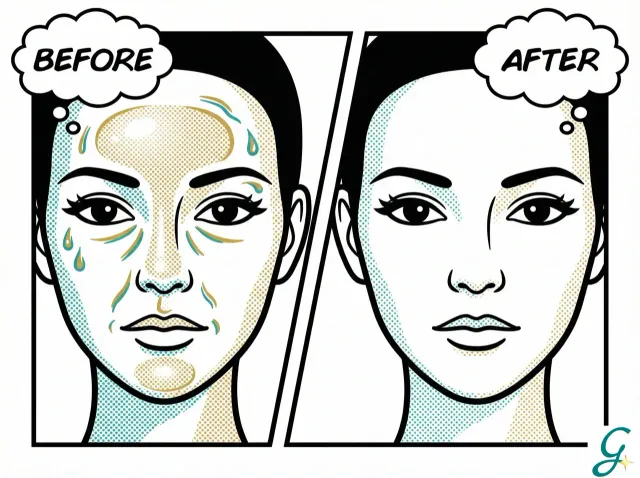
Oily skin produces excess sebum—the natural oil that protects and hydrates your skin. While frustrating, oily skin has benefits: it tends to age slower and stays naturally moisturized.
What Causes Excess Oil?
- Genetics — The biggest factor in oil production
- Hormones — Androgens increase sebum production
- Over-cleansing — Stripping skin triggers more oil production
- Wrong products — Heavy products can clog pores
- Dehydration — Dehydrated skin overproduces oil to compensate
- Diet — High-glycemic foods may increase oiliness
- Climate — Humidity and heat increase oil production
The Biggest Oily Skin Myth
Myth: Oily skin doesn't need moisturizer.
Truth: Skipping moisturizer makes oily skin worse. When skin is dehydrated, it produces MORE oil to compensate. The key is choosing the right moisturizer, not avoiding it.
Choosing the Best Cleanser for Oily Skin
What to Look For
Gel or foaming cleansers work well for oily skin, but avoid harsh sulfates that strip skin completely.
Key ingredients:
- Salicylic acid — Penetrates pores, dissolves oil
- Niacinamide — Regulates sebum production
- Glycolic acid — Gentle exfoliation
- Tea tree oil — Antibacterial properties
- Zinc — Helps control oil
What to Avoid
- Harsh sulfates (SLS, SLES) — Too stripping
- Alcohol-based cleansers — Dehydrating
- Cream cleansers — May leave residue
- Over-cleansing — Twice daily is enough
How to Cleanse Oily Skin
- Use lukewarm water (hot water stimulates oil glands)
- Massage cleanser for 60 seconds
- Rinse thoroughly
- Pat dry, don't rub
- Cleanse morning and night—no more
Choosing the Best Moisturizer for Oily Skin
Texture Matters
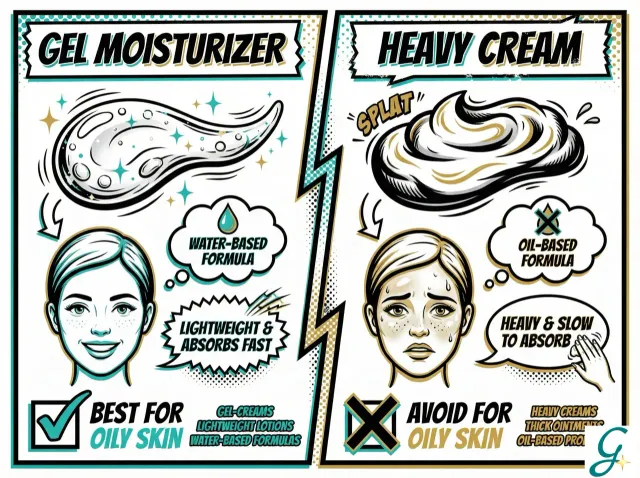
Best textures for oily skin:
- Gel moisturizers
- Gel-creams
- Lightweight lotions
- Water-based formulas
Avoid:
- Heavy creams
- Thick ointments
- Oil-based products (unless non-comedogenic)
Key Ingredients
- Hyaluronic acid — Hydrates without adding oil
- Niacinamide — Controls oil, minimizes pores
- Glycerin — Lightweight hydration
- Squalane — Non-comedogenic, balancing
- Aloe vera — Soothing, lightweight
What "Non-Comedogenic" Really Means
Non-comedogenic products are formulated not to clog pores. While not a guarantee, it's a good starting point for oily, acne-prone skin.
The Complete Oily Skin Routine
Morning Routine
- Gel cleanser — Remove overnight oil
- Toner (optional) — Niacinamide or witch hazel
- Lightweight serum — Niacinamide or hyaluronic acid
- Gel moisturizer — Yes, you need this
- Sunscreen — Mattifying, oil-free formula
Evening Routine
- Oil cleanser (if wearing makeup/SPF) — Oil dissolves oil
- Gel cleanser — Second cleanse
- Exfoliant (2-3x/week) — BHA (salicylic acid)
- Treatment serum — Retinol or niacinamide
- Lightweight moisturizer — Gel or gel-cream
Weekly Treatments
- Clay mask (1-2x/week) — Absorbs excess oil
- BHA exfoliant — Keeps pores clear
Managing Shine Throughout the Day
Blotting Papers
Absorb oil without disturbing makeup. Keep them in your bag for midday touch-ups.
Mattifying Primer
Apply before makeup to control shine. Look for silica or silicone-based primers.
Setting Powder
Translucent powder sets makeup and absorbs oil. Reapply as needed.
Don't Over-Wash
Washing your face more than twice daily triggers more oil production. Blot instead.
Common Oily Skin Mistakes
1. Over-Cleansing
Washing too often or using harsh cleansers strips skin, triggering rebound oil production.
2. Skipping Moisturizer
Dehydrated oily skin produces more oil. Always moisturize with a lightweight formula.
3. Using Alcohol-Based Products
Alcohol dehydrates skin short-term but causes more oil long-term.
4. Avoiding All Oils
Some oils (squalane, jojoba) are actually balancing for oily skin. It's about choosing the right ones.
5. Over-Exfoliating
Too much exfoliation damages the skin barrier and increases oil production.
6. Touching Your Face
Transfers bacteria and oil from hands to face, worsening breakouts.
Ingredients That Help Oily Skin
| Ingredient | Benefit |
|---|---|
| Niacinamide | Regulates sebum, minimizes pores |
| Salicylic acid | Clears pores, reduces breakouts |
| Retinol | Regulates oil, prevents acne |
| Clay | Absorbs excess oil |
| Zinc | Controls oil, antibacterial |
| Hyaluronic acid | Hydrates without oil |
| Green tea | Antioxidant, sebum-regulating |
When Oily Skin Needs Professional Help
See a dermatologist if:
- Severe acne that doesn't respond to OTC products
- Sudden increase in oiliness (could be hormonal)
- Oily skin with signs of dehydration
- You're considering prescription retinoids
Prescription options include stronger retinoids, spironolactone (for hormonal acne), and other targeted treatments.
The Silver Lining of Oily Skin
Oily skin isn't all bad:
- Ages slower — Natural oils keep skin supple
- Natural moisture — Less prone to dryness
- Protective barrier — Sebum protects against environmental damage
With the right routine, oily skin can be healthy, balanced, and even enviable.
Frequently Asked Questions
Why is my face so oily?
Oily skin is primarily caused by genetics and hormones (androgens increase sebum production). Other factors include over-cleansing (which triggers more oil production), using the wrong products, dehydration, diet high in processed foods, humidity, and stress. Ironically, skipping moisturizer often makes oiliness worse.
Should I moisturize if I have oily skin?
Yes, absolutely. Skipping moisturizer is one of the biggest oily skin mistakes. When skin is dehydrated, it produces more oil to compensate. Use a lightweight, oil-free gel or lotion moisturizer. Look for ingredients like hyaluronic acid and niacinamide that hydrate without adding oil.
What is the best cleanser for oily skin?
The best cleansers for oily skin are gel or foaming formulas with ingredients like salicylic acid (BHA), niacinamide, or glycolic acid. Avoid harsh sulfates (SLS) that strip skin and trigger rebound oil production. Cleanse twice daily—no more—with lukewarm water.
How do I stop my face from being shiny?
Control shine by using a mattifying moisturizer and sunscreen, applying a mattifying primer before makeup, using blotting papers throughout the day (don't over-wash), and incorporating niacinamide into your routine. Niacinamide regulates sebum production over time with consistent use.
Does oily skin age better?
Yes, oily skin tends to age slower than dry skin. Natural oils keep skin supple and hydrated, reducing the appearance of fine lines and wrinkles. The sebum also provides some protection against environmental damage. With proper care, oily skin can be an advantage as you age.
What ingredients should I avoid with oily skin?
Avoid heavy oils (coconut oil, mineral oil in large amounts), thick creams, occlusive products that trap oil, and harsh alcohol-based products that strip skin. Also avoid over-cleansing and using too many mattifying products, which can dehydrate skin and worsen oil production.
Track Your Oily Skin Routine
Finding the right balance for oily skin takes experimentation. Tracking helps you:
- Identify which products control oil best
- Notice patterns in breakouts
- Stay consistent with your routine
- Avoid over-treating your skin
Glimmer helps you build a balanced routine with reminders and product tracking tailored to your skin's needs.
Sources
- Sakuma, T. H., & Maibach, H. I. (2012). "Oily skin: an overview." Skin Pharmacology and Physiology, 25(5), 227-235.
- Bissett, D. L., et al. (2005). "Niacinamide: A B Vitamin that Improves Aging Facial Skin Appearance." Dermatologic Surgery, 31, 860-865.
- Del Rosso, J. Q. (2013). "The Role of Skin Care as an Integral Component in the Management of Acne Vulgaris" Journal of Clinical and Aesthetic Dermatology, 6(12), 19-27.