
Your brain lies to you. You look in the mirror every day and don't notice gradual changes. A photo skincare journal captures what you can't see—real, documented progress over time.
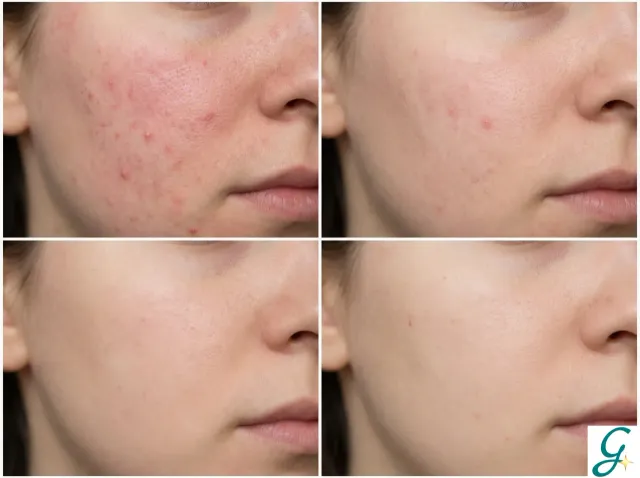
Why You Need a Photo Skincare Journal
The Problem with Memory
You see your face every day. Your brain normalizes what it sees, making it nearly impossible to notice:
- Gradual fading of dark spots
- Slow improvement in texture
- Subtle reduction in redness
- Fine lines softening over time
Without photos, you might quit a routine that's actually working because you "don't see results."
The Power of Visual Documentation
Photos provide:
- Objective evidence — Your skin's actual state, not your perception
- Motivation — Seeing progress keeps you going
- Data — Connect products to results
- Accountability — Regular photos mean regular attention to your skin
How to Take Effective Progress Photos
Consistency Is Everything
For useful comparisons, every photo should be taken:
- Same lighting — Natural light is best, same window/location
- Same angle — Straight on, or consistent 3/4 view
- Same distance — Mark where you stand if needed
- Same time of day — Morning is ideal (before products)
- No makeup — Bare skin only
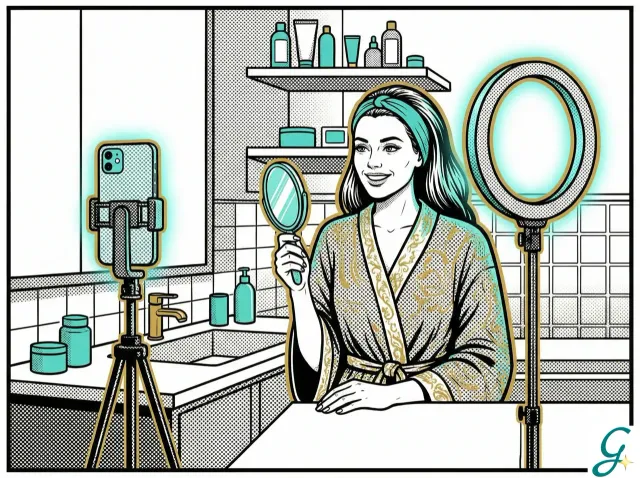
Lighting Tips
Best: Natural daylight, facing a window Good: Consistent artificial light (same lamp, same position) Avoid: Overhead bathroom lights (create shadows), flash (washes out details)
What to Capture
Take photos of:
- Full face — Front view
- Profile — Both sides
- Problem areas — Close-ups of specific concerns
- Forehead — Often shows texture and lines
- Cheeks — Common area for acne, redness, pigmentation
Frequency
- Weekly — Ideal for tracking active treatments
- Bi-weekly — Good for maintenance phases
- Monthly — Minimum for seeing change
More frequent photos give you more data points.
What to Track Alongside Photos
Date and Time
Always note when the photo was taken. This is crucial for tracking progress.
Current Routine
Document what products you're using. This helps you connect results to specific products.
Skin Concerns
Note what you're trying to address:
- Acne
- Hyperpigmentation
- Texture
- Redness
- Fine lines
Observations
Add notes about:
- How your skin feels
- Any reactions or irritation
- Lifestyle factors (sleep, stress, diet)
- Hormonal cycle (if relevant)
Understanding What You See
Purging vs. Breaking Out
When starting new actives (retinoids, AHAs, BHAs), you might experience purging:
Purging:
- Happens in areas where you normally break out
- Pimples come and go faster than usual
- Improves after 4-6 weeks
- Caused by increased cell turnover
Breaking out:
- Happens in new areas
- Pimples are deeper, more inflamed
- Doesn't improve or gets worse
- Caused by product irritation or clogging
Photos help you distinguish between the two by showing patterns over time.
Realistic Timelines
What to expect with consistent treatment:
| Concern | Timeline for Visible Improvement |
|---|---|
| Hydration | 1-2 weeks |
| Minor breakouts | 2-4 weeks |
| Texture | 4-8 weeks |
| Acne | 6-12 weeks |
| Hyperpigmentation | 2-6 months |
| Fine lines | 3-6 months |
| Deep wrinkles | 6-12 months |
Your photos will show progress before you "feel" it.
Common Photo Journal Mistakes
1. Inconsistent Conditions
Different lighting, angles, or times make comparison impossible. Standardize your setup.
2. Only Taking Photos When Skin Looks Bad
Track consistently, not just during flare-ups. You need the full picture.
3. Expecting Daily Changes
Skin changes slowly. Compare photos weeks or months apart, not days.
4. Giving Up Too Soon
If you don't see change in 2 weeks, keep going. Most treatments need 6-12 weeks.
5. Not Reviewing Photos
Taking photos is pointless if you never look back. Schedule monthly reviews.
Using Photos to Optimize Your Routine
Identify What Works
Compare photos from before and after introducing a product. Did your skin improve?
Spot Reactions Early
Photos can reveal subtle irritation or breakouts you might dismiss in the moment.
Track Seasonal Changes
Your skin changes with seasons. Photos help you adjust your routine accordingly.
Communicate with Dermatologists
Photo documentation is invaluable when consulting professionals. They can see your skin's history.
The Emotional Side of Progress Photos
Be Kind to Yourself
Progress photos can be confronting. Remember:
- Everyone has texture, pores, and imperfections
- Photos often look "worse" than the mirror
- You're documenting a journey, not judging yourself
Celebrate Progress
When you compare photos and see improvement:
- Acknowledge your consistency
- Appreciate the results
- Stay motivated to continue
Don't Compare to Others
Your progress photos are for YOU. Don't compare your journey to filtered social media images.
Digital vs. Physical Journal
Digital (Recommended)
- Easy to organize by date
- Always accessible on your phone
- Can add notes and tags
- Secure and private
Physical
- Printed photos in a notebook
- More tactile experience
- Requires more effort to maintain
Frequently Asked Questions
How often should I take skincare progress photos?
Take photos weekly for active treatment (acne, pigmentation) or monthly for maintenance and anti-aging. Consistency matters more than frequency—same day, time, lighting, and angle each time. Weekly photos are ideal for most people tracking routine changes.
What is the best way to take skin progress photos?
Use natural daylight or consistent artificial lighting, same angle and distance each time, no makeup, clean face, neutral expression, and take photos of the same areas (front, left side, right side). Morning photos before skincare show your skin's true state.
Do I need a skincare journal?
A skincare journal helps you identify what works, track reactions to new products, see gradual progress you'd otherwise miss, and stay motivated. It's especially valuable when troubleshooting skin issues or trying new products. Digital journals (apps) are easier to maintain than paper.
How do I start a skincare journal?
Start simple: log your daily routine (products used AM/PM), take weekly photos, note any reactions or changes, and track lifestyle factors (sleep, stress, diet). Use an app for convenience or a simple notebook. Review monthly to identify patterns.
Why can't I see my skincare progress?
Skin changes happen gradually—you see yourself daily, so changes are imperceptible. Progress photos solve this by providing objective comparison. Also ensure you're giving products enough time (4-8 weeks minimum) and being consistent with your routine.
Should I track my skincare routine?
Yes, tracking increases consistency by 20-40% according to habit research. It helps you remember your routine, identify which products work, notice patterns in breakouts, and stay motivated through visible progress. Even simple tracking (checking off steps) helps.
Track Your Progress with Glimmer
Glimmer's photo journal feature makes tracking effortless:
- Consistent reminders — Never forget to take your weekly photo
- Organized gallery — Photos sorted by date
- Side-by-side comparison — See your progress clearly
- Notes and tags — Connect photos to products and routines
- Private and secure — Your photos stay on your device
See your skin's real transformation over time.
Sources
- Mukherjee, S., et al. (2006). "Retinoids in the treatment of skin aging: an overview of clinical efficacy and safety." Clinical Interventions in Aging, 1(4), 327-348.
- Draelos, Z. D. (2010). "Cosmeceuticals: Efficacy and Influence on Skin Tone." Dermatologic Clinics, 28(4), 587-593.
- Lally, P., et al. (2010). "How are habits formed: Modelling habit formation in the real world." European Journal of Social Psychology, 40(6), 998-1009.