
The supplement industry promises glowing skin in a pill. But do skincare supplements actually work, or are they just expensive urine? Let's look at what the science actually says.
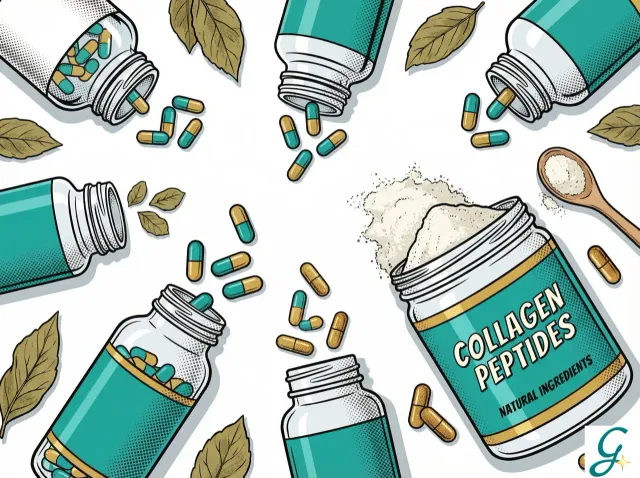
The Truth About Skincare Supplements
Supplements can support skin health, but they're not magic pills. They work best when:
- You have a genuine deficiency
- You're already following a good skincare routine
- You maintain realistic expectations
- You choose evidence-backed ingredients
Important: Supplements cannot replace topical skincare, sun protection, or a healthy lifestyle.
Supplements With Strong Evidence
Collagen
What it is: The most abundant protein in your body, providing structure to skin.
The research: Multiple studies show oral collagen peptides can improve skin elasticity, hydration, and reduce wrinkles after 8-12 weeks of supplementation.
How it works: Collagen peptides are broken down during digestion, but the amino acids signal your body to produce more collagen.
Dosage: 2.5-10g daily of hydrolyzed collagen peptides
Best for: Aging skin, loss of elasticity, fine lines

Vitamin C
What it is: Essential antioxidant that supports collagen synthesis.
The research: Vitamin C is crucial for collagen production. Deficiency leads to poor wound healing and skin issues.
How it works: Acts as a cofactor for enzymes that stabilize collagen structure.
Dosage: 500-1000mg daily (RDA is only 90mg, but higher doses may benefit skin)
Best for: Overall skin health, collagen support, antioxidant protection
Note: Topical vitamin C is more effective for direct skin benefits. Oral supplements support from within.
Vitamin E
What it is: Fat-soluble antioxidant that protects cell membranes.
The research: Works synergistically with vitamin C. Protects against UV damage when combined with other antioxidants.
Dosage: 15mg (22 IU) daily
Best for: Antioxidant protection, works best with vitamin C
Omega-3 Fatty Acids
What it is: Essential fats found in fish oil, flaxseed, and algae.
The research: Strong evidence for reducing inflammation. May help with dry skin, eczema, and inflammatory skin conditions.
How it works: Reduces inflammatory markers and supports the skin barrier.
Dosage: 1-3g EPA/DHA daily
Best for: Dry skin, inflammatory conditions, overall skin health
Zinc
What it is: Essential mineral involved in wound healing and immune function.
The research: Zinc deficiency causes skin problems. Supplementation may help acne, especially in those with low zinc levels.
Dosage: 15-30mg daily (don't exceed 40mg)
Best for: Acne, wound healing, immune support
Caution: High doses can cause copper deficiency. Take with food to avoid nausea.
Supplements With Moderate Evidence
Hyaluronic Acid
The claim: Oral HA hydrates skin from within.
The research: Some studies show improvement in skin hydration after 4-8 weeks, but evidence is mixed.
Verdict: May help, but topical HA is more directly effective.
Biotin
The claim: Improves skin, hair, and nails.
The research: Only helps if you're deficient (rare). No evidence it helps people with normal biotin levels.
Verdict: Skip unless you have a diagnosed deficiency.
Warning: Biotin can interfere with lab tests. Stop taking it before blood work.
Probiotics
The claim: Gut health affects skin health.
The research: Emerging evidence supports the gut-skin axis. Some strains may help with acne, eczema, and rosacea.
Verdict: Promising, but strain-specific. Not all probiotics help skin.
Astaxanthin
The claim: Powerful antioxidant that protects against UV damage.
The research: Some studies show reduced UV damage and improved skin elasticity.
Dosage: 4-12mg daily
Verdict: Promising antioxidant, but more research needed.
Supplements With Weak or No Evidence
Glutathione
Often marketed as a skin-lightening supplement. Oral glutathione has poor bioavailability—most is destroyed during digestion. Limited evidence for skin benefits.
Silica
Claims to support collagen, but human studies are limited and inconclusive.
Resveratrol
Antioxidant from grapes. Works in lab studies, but oral bioavailability is very low.
Ceramides
Oral ceramides are marketed for skin hydration, but evidence is limited compared to topical application.
How to Choose Quality Supplements
Look For
- Third-party testing (NSF, USP, ConsumerLab)
- Transparent ingredient lists
- Appropriate dosages based on research
- Reputable brands with good manufacturing practices
Avoid
- Proprietary blends that hide dosages
- Unrealistic claims ("reverse aging overnight")
- Mega-doses far exceeding research amounts
- Products without third-party verification
Who Should Consider Skin Supplements?
Supplements may benefit you if:
- You have dietary restrictions (vegan, allergies)
- You don't eat enough fish or varied foods
- You're over 30 and concerned about collagen loss
- You have inflammatory skin conditions
- Blood tests show deficiencies
Who Should Skip Supplements?
- Those with a balanced, varied diet
- Anyone expecting supplements to replace skincare
- People taking medications (check interactions first)
- Those unwilling to commit to 2-3+ months of use

The Bottom Line on Skin Supplements
Worth trying:
- Collagen peptides (2.5-10g daily)
- Omega-3s (1-3g EPA/DHA)
- Vitamin C (500-1000mg)
- Zinc (if acne-prone, 15-30mg)
Maybe helpful:
- Vitamin E (with vitamin C)
- Probiotics (strain-specific)
- Astaxanthin
Probably skip:
- Biotin (unless deficient)
- Oral glutathione
- Silica
Supplements Are Just One Piece
Remember the hierarchy of skin health:
- Sun protection — Most important
- Consistent skincare routine — Topicals work
- Healthy lifestyle — Sleep, diet, stress management
- Supplements — Supporting role only
No supplement replaces a good routine. They're called supplements because they supplement—not replace—the fundamentals.
Frequently Asked Questions
Do skin supplements actually work?
Some supplements have strong scientific evidence. Collagen peptides (2.5-10g daily) can improve skin elasticity and hydration after 8-12 weeks. Omega-3 fatty acids reduce inflammation. Vitamin C supports collagen synthesis. However, supplements work best alongside a good skincare routine and sun protection—they don't replace topical treatments.
What is the best supplement for glowing skin?
Collagen peptides have the strongest evidence for improving skin appearance, followed by omega-3 fatty acids for reducing inflammation and vitamin C for antioxidant support. For a glow, focus on hydration (internal and external) and consistent skincare rather than relying solely on supplements.
How long do skin supplements take to work?
Most skin supplements require 8-12 weeks of consistent use to show visible results. Collagen studies typically show improvement in skin elasticity and hydration at the 8-week mark. Don't expect overnight changes—skin cell turnover takes time.
Is collagen or biotin better for skin?
Collagen has much stronger scientific evidence for skin benefits. Multiple studies show oral collagen peptides improve skin elasticity, hydration, and reduce wrinkles. Biotin only helps if you're deficient (which is rare), and there's no evidence it improves skin in people with normal biotin levels.
Can I take collagen and vitamin C together?
Yes, taking collagen and vitamin C together is beneficial. Vitamin C is essential for collagen synthesis in the body, so it may enhance the effects of collagen supplementation. Many people take them at the same time.
Are skin supplements safe?
Most skin supplements are safe when taken at recommended doses. However, high-dose zinc can cause copper deficiency, biotin can interfere with lab tests, and some supplements interact with medications. Always choose third-party tested products and consult a healthcare provider if you have concerns.
Track Your Supplement Routine
If you're taking supplements for skin, consistency is key. Most require 8-12 weeks to show results.
Glimmer helps you:
- Set reminders for daily supplements
- Track your skincare routine alongside supplements
- Document skin changes over time
- See what's actually working
Sources
- Pullar, J. M., Carr, A. C., & Vissers, M. C. M. (2017). "The Roles of Vitamin C in Skin Health." Nutrients, 9(8), 866.
- Schagen, S. K., et al. (2012). "Discovering the link between nutrition and skin aging." Dermato-Endocrinology, 4(3), 298-307.
- Vollmer, D. L., West, V. A., & Lephart, E. D. (2018). "Enhancing Skin Health: By Oral Administration of Natural Compounds and Minerals with Implications to the Dermal Microbiome." International Journal of Molecular Sciences, 19(10), 3059.