
Smooth, even skin texture is the foundation of a healthy-looking complexion. If you're dealing with rough patches, bumps, enlarged pores, or uneven texture, the right approach can transform your skin.
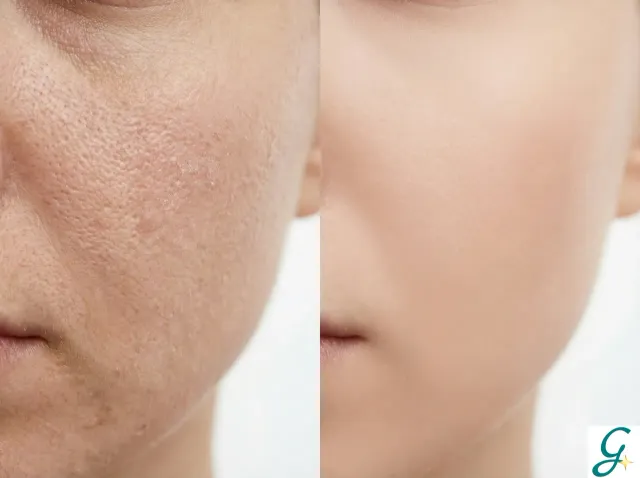
What Causes Uneven Skin Texture?
Several factors contribute to textural issues:
Dead Skin Buildup
When dead skin cells don't shed properly, they accumulate on the surface, creating a rough, dull appearance.
Clogged Pores
Sebum, dead skin, and debris clog pores, causing bumps, blackheads, and rough texture.
Sun Damage
UV exposure breaks down collagen and elastin, leading to rough, leathery texture over time.
Dehydration
Dehydrated skin looks rough and emphasizes fine lines and texture irregularities.
Aging
Collagen loss and slower cell turnover make skin less smooth as we age.
Acne and Scarring
Active acne and post-acne scarring create uneven texture that can persist for years.
Keratosis Pilaris
"Chicken skin" bumps on arms, thighs, or face caused by keratin buildup in hair follicles.
How to Improve Skin Texture
Step 1: Exfoliate Regularly
Exfoliation removes dead skin cells and promotes cell turnover. Choose your method:
Chemical Exfoliants (Recommended)
- AHAs (glycolic, lactic acid) — Work on the surface, brighten and smooth
- BHAs (salicylic acid) — Penetrate pores, best for oily/acne-prone skin
- PHAs (gluconolactone) — Gentlest option for sensitive skin
Frequency: 2-3 times per week for most skin types
Physical Exfoliants
- Gentle scrubs with round particles
- Konjac sponges
- Soft washcloths
Avoid: Harsh scrubs with jagged particles (walnut shells, apricot pits)
Step 2: Hydrate Properly
Hydrated skin is smoother skin. Layer hydrating products:
- Hydrating toner — Prep skin to absorb products
- Hyaluronic acid serum — Draws water into skin
- Moisturizer — Locks in hydration
- Facial oil (optional) — Seals everything in
Step 3: Use Retinoids
Retinoids are the gold standard for improving skin texture. They:
- Increase cell turnover
- Boost collagen production
- Unclog pores
- Smooth fine lines and wrinkles
Start slow: Begin with low-strength retinol 1-2 times per week, gradually increasing.
Step 4: Protect from Sun
UV damage worsens texture over time. Daily SPF 30+ prevents further damage and allows skin to repair.
Best Ingredients for Skin Texture
| Ingredient | What It Does | Best For |
|---|---|---|
| Glycolic acid | Surface exfoliation | Dull, rough skin |
| Salicylic acid | Pore-clearing | Oily, bumpy skin |
| Retinol | Cell turnover, collagen | Aging, uneven texture |
| Niacinamide | Pore minimizing, smoothing | Large pores, oily skin |
| Vitamin C | Brightening, collagen support | Dull, sun-damaged skin |
| Hyaluronic acid | Deep hydration | Dehydrated, rough skin |
| Azelaic acid | Smoothing, brightening | Bumpy, acne-prone skin |
Targeting Specific Texture Concerns
Enlarged Pores
Pores can't actually shrink, but you can minimize their appearance:
- Niacinamide — Regulates oil, reduces pore appearance
- BHAs — Keep pores clear
- Retinoids — Increase cell turnover
- Clay masks — Temporarily tighten pores
Rough, Bumpy Skin
- AHAs — Dissolve dead skin buildup
- Gentle physical exfoliation — Remove surface roughness
- Urea — Softens and hydrates rough patches
Keratosis Pilaris (KP)
Those small bumps on arms and thighs need:
- Lactic acid or glycolic acid lotions — Exfoliate gently
- Urea creams — Soften keratin plugs
- Consistent moisturizing — Keep skin hydrated
- Patience — KP improves slowly over months
Acne Texture and Scarring
- Retinoids — Improve cell turnover and mild scarring
- Niacinamide — Reduce inflammation and marks
- Professional treatments — Microneedling, lasers for deeper scars
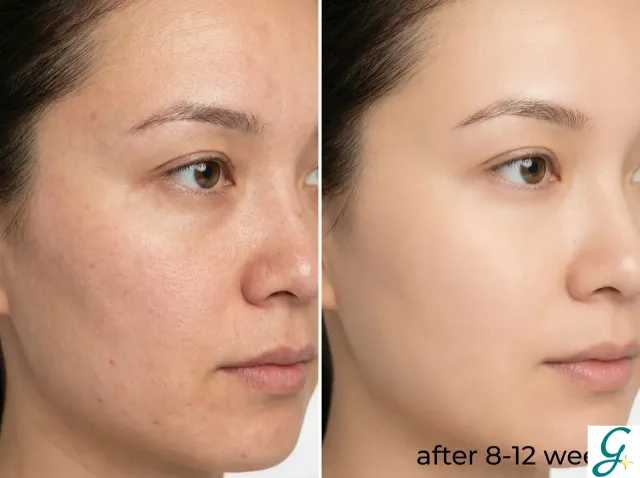
Building a Texture-Improving Routine
Morning
- Gentle cleanser
- Vitamin C serum (antioxidant protection)
- Hydrating moisturizer
- Sunscreen SPF 30+
Evening
- Double cleanse (oil + water-based)
- Exfoliant (AHA/BHA, 2-3x/week)
- Retinol (alternate nights, not same night as exfoliant)
- Hydrating serum
- Moisturizer
Weekly
- Hydrating mask for moisture boost
- Clay mask for pore clearing (oily skin)
Common Texture Mistakes
1. Over-Exfoliating
Too much exfoliation damages the skin barrier, causing irritation, sensitivity, and paradoxically worse texture.
Signs of over-exfoliation:
- Redness and irritation
- Increased sensitivity
- Tight, dry feeling
- Breakouts
Fix: Stop all actives, focus on hydration and barrier repair for 2 weeks.
2. Skipping Moisturizer
Even oily skin needs hydration. Dehydrated skin looks rougher and more textured.
3. Not Using Sunscreen
Sun damage is cumulative. Every day without SPF worsens future texture.
4. Expecting Overnight Results
Skin cell turnover takes 4-6 weeks. Real texture improvement takes 2-3 months of consistent care.
5. Using Too Many Actives
Layering retinol, AHAs, BHAs, and vitamin C in one routine is too much. Simplify and alternate.
Professional Treatments for Texture
When at-home products aren't enough:
Chemical Peels
Professional-strength exfoliation for faster results. Options range from superficial to deep peels.
Microneedling
Creates micro-injuries that stimulate collagen production. Excellent for scarring and overall texture.
Laser Resurfacing
Ablative and non-ablative lasers improve texture, scarring, and signs of aging.
Microdermabrasion
Physical exfoliation that removes the outer layer of dead skin.
HydraFacial
Combines cleansing, exfoliation, extraction, and hydration in one treatment.
Timeline for Texture Improvement
With consistent treatment:
- 2-4 weeks: Skin feels smoother, looks brighter
- 6-8 weeks: Visible improvement in texture
- 3-6 months: Significant transformation
- Ongoing: Maintenance to keep results
Frequently Asked Questions
How can I improve my skin texture?
Improve skin texture by exfoliating regularly with AHAs or BHAs (2-3 times per week), using retinoids to increase cell turnover, keeping skin hydrated, and wearing sunscreen daily. Consistency is key—expect visible improvement in 6-8 weeks with significant transformation in 3-6 months.
What causes rough or bumpy skin texture?
Rough skin texture is caused by dead skin cell buildup, dehydration, sun damage, aging (slower cell turnover), clogged pores, and conditions like keratosis pilaris. Environmental factors like pollution and harsh weather also contribute. The solution usually involves regular exfoliation and proper hydration.
Is retinol good for skin texture?
Yes, retinol is one of the best ingredients for improving skin texture. It increases cell turnover, stimulates collagen production, and helps unclog pores. Start with a low concentration (0.25-0.5%) 2-3 times per week and gradually increase. Expect results in 8-12 weeks.
How often should I exfoliate for better skin texture?
Exfoliate 2-3 times per week for most skin types. Over-exfoliating damages the skin barrier and can worsen texture. Use chemical exfoliants (AHAs for surface texture, BHAs for pores) rather than harsh physical scrubs. If you use retinoids, you may need less frequent exfoliation.
Can you actually shrink pores?
You cannot permanently shrink pore size, which is determined by genetics. However, you can minimize their appearance by keeping them clean (BHAs), using retinoids to improve skin elasticity around pores, and using niacinamide to regulate oil production. Consistent care makes pores look smaller.
What is the best skincare routine for textured skin?
A texture-focused routine includes: gentle cleanser, chemical exfoliant (AHA or BHA) 2-3 times weekly, hydrating serum, retinoid at night (alternate with exfoliant nights), moisturizer, and daily SPF. Introduce products gradually and don't use too many actives at once.
Track Your Texture Transformation
Improving skin texture requires patience and consistency. Progress is gradual and easy to miss day-to-day.
Glimmer helps you:
- Stay consistent with your routine
- Track which products improve texture
- Document progress with photos
- See your skin's transformation over time
Sources
- Mukherjee, S., et al. (2006). "Retinoids in the treatment of skin aging: an overview of clinical efficacy and safety." Clinical Interventions in Aging, 1(4), 327-348.
- Tang, S. C., & Yang, J. H. (2018). "Dual Effects of Alpha-Hydroxy Acids on the Skin." Molecules, 23(4), 863.
- Rawlings, A. V., & Harding, C. R. (2004). "Moisturization and skin barrier function." Dermatologic Therapy, 17(s1), 43-48.