
Sunscreen is the single most important skincare product you can use. It prevents skin cancer, stops premature aging, and protects against hyperpigmentation. But finding the right sunscreen for oily or sensitive skin can be challenging.
Why Sunscreen Is Non-Negotiable
UV radiation causes:
- 90% of visible skin aging (wrinkles, spots, sagging)
- Skin cancer (including deadly melanoma)
- Hyperpigmentation (dark spots, melasma)
- Broken capillaries and redness
- Weakened skin barrier
No anti-aging serum can undo sun damage. Prevention is the only effective strategy.
Understanding SPF and Broad-Spectrum Protection
What SPF Means
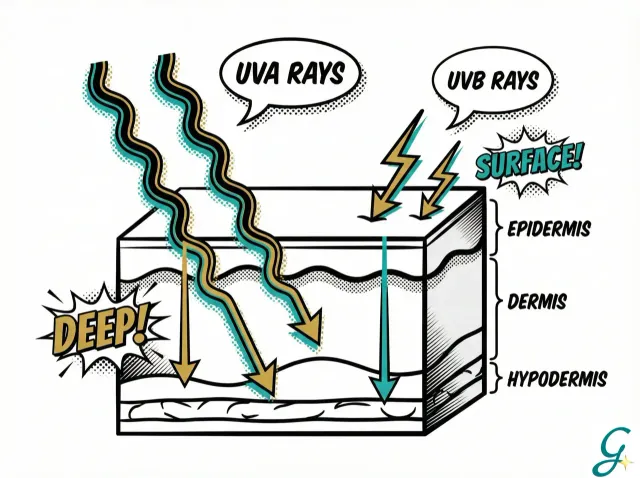
SPF (Sun Protection Factor) measures protection against UVB rays—the burning rays.
- SPF 15 blocks 93% of UVB rays
- SPF 30 blocks 97% of UVB rays
- SPF 50 blocks 98% of UVB rays
The difference between SPF 30 and 50 is minimal. SPF 30 is sufficient for daily use.
Why Broad-Spectrum Matters
UVA rays penetrate deeper and cause aging and cancer. "Broad-spectrum" means protection against both UVA and UVB.
Always choose broad-spectrum SPF 30+.
Chemical vs. Mineral Sunscreen
Chemical Sunscreens
How they work: Absorb UV rays and convert them to heat.
Common ingredients: Avobenzone, oxybenzone, octinoxate, homosalate
Pros:
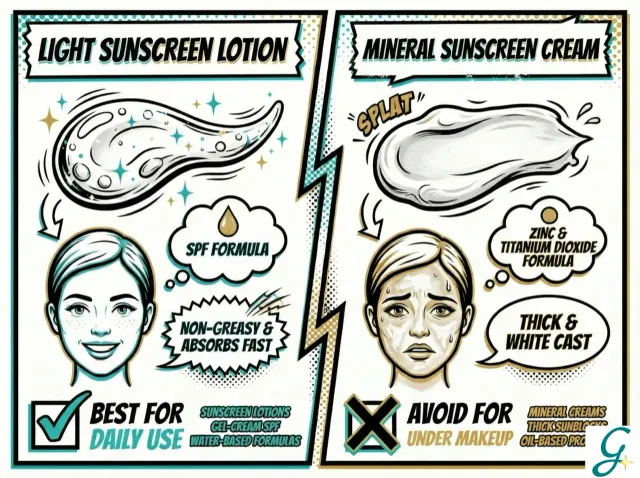
- Lightweight, invisible finish
- Easy to apply
- Good for daily wear under makeup
Cons:
- Can irritate sensitive skin
- Some ingredients controversial for reefs
- May sting eyes
Mineral (Physical) Sunscreens
How they work: Sit on skin and reflect UV rays.
Ingredients: Zinc oxide, titanium dioxide
Pros:
- Gentle on sensitive skin
- Immediate protection (no wait time)
- Reef-safe
- Less likely to cause irritation
Cons:
- Can leave white cast (especially on deeper skin tones)
- May feel heavier
- Can be harder to blend
Which Is Better?
Neither is universally better. Choose based on your skin:
- Sensitive skin: Mineral sunscreen
- Oily skin: Lightweight chemical or hybrid formulas
- Deeper skin tones: Tinted mineral or chemical to avoid white cast
- Acne-prone: Non-comedogenic chemical or zinc-based mineral
Best Sunscreen for Oily Skin
Oily skin needs sunscreen that won't add shine or clog pores.
What to Look For
- Gel or fluid textures — Lightweight, absorb quickly
- Mattifying formulas — Control shine
- Non-comedogenic — Won't clog pores
- Oil-free — No added oils
- Silica or silicone — Absorb oil, create matte finish
What to Avoid
- Heavy creams
- Coconut oil-based formulas
- Thick, greasy textures
- Formulas that pill under makeup
Application Tips for Oily Skin
- Apply to clean, moisturized skin
- Wait 1-2 minutes before makeup
- Use mattifying primer if needed
- Blot (don't wash) throughout the day
- Reapply with SPF powder or spray if wearing makeup
Best Sunscreen for Sensitive Skin
Sensitive skin reacts to many sunscreen ingredients. Finding a gentle formula is essential.
What to Look For
- Mineral sunscreens — Zinc oxide and titanium dioxide are gentlest
- Fragrance-free — Fragrance is a common irritant
- Minimal ingredients — Fewer ingredients, less reaction risk
- Hypoallergenic — Formulated to minimize allergies
- Alcohol-free — Drying alcohols can irritate
Ingredients to Avoid
- Oxybenzone (common irritant)
- Fragrance/parfum
- Drying alcohols
- Essential oils
- Chemical filters if you react to them
Patch Testing
Always patch test new sunscreens on your inner arm for 24-48 hours before applying to your face.
Non-Comedogenic Sunscreen: What It Really Means
"Non-comedogenic" means formulated not to clog pores. While not a guarantee, it's a good starting point for acne-prone skin.
Tips for acne-prone skin:
- Choose gel or fluid textures
- Look for "oil-free" and "non-comedogenic"
- Avoid heavy moisturizing sunscreens
- Double cleanse at night to remove sunscreen completely
How to Apply Sunscreen Correctly
The Right Amount
Most people apply too little sunscreen, reducing protection significantly.
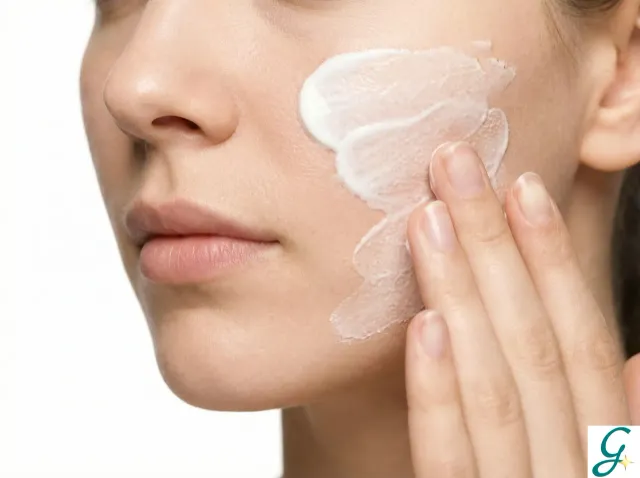
For face: 1/4 teaspoon (about two finger-lengths) For body: 1 oz (shot glass) for full body coverage
Application Steps
- Apply as the last step of skincare, before makeup
- Use the full recommended amount
- Don't forget ears, neck, and chest
- Wait 15 minutes before sun exposure (chemical sunscreens)
- Mineral sunscreens work immediately
Reapplication
Reapply every 2 hours when outdoors, or immediately after swimming or sweating.
For makeup wearers:
- SPF setting sprays
- SPF powder
- Cushion compacts with SPF
Common Sunscreen Mistakes
1. Not Using Enough
Half the recommended amount = half the protection. Be generous.
2. Skipping on Cloudy Days
Up to 80% of UV rays penetrate clouds. Wear sunscreen daily.
3. Relying on Makeup SPF
SPF in makeup isn't enough. You'd need 7+ layers of foundation for adequate protection.
4. Forgetting to Reapply
Sunscreen breaks down over time. Reapply every 2 hours outdoors.
5. Missing Spots
Ears, hairline, back of neck, and hands are commonly missed.
6. Using Expired Sunscreen
Sunscreen expires. Check dates and replace annually.
Sunscreen and Skin of Color
Deeper skin tones have natural SPF 13-15 from melanin, but still need sunscreen for:
- Hyperpigmentation prevention
- Skin cancer protection (yes, it happens)
- Anti-aging benefits
Finding sunscreens without white cast:
- Tinted mineral sunscreens
- Chemical sunscreens (no white cast)
- Newer mineral formulas with micronized zinc

Building Sunscreen Into Your Routine
Morning routine with sunscreen:
- Cleanser
- Toner (optional)
- Serum (vitamin C works great before SPF)
- Moisturizer
- Sunscreen (last skincare step)
- Makeup (optional)
Frequently Asked Questions
What SPF should I use daily?
SPF 30 is the minimum recommended for daily use, blocking about 97% of UVB rays. SPF 50 blocks about 98%. The difference between SPF 30 and 50 is minimal, so focus on applying enough product (1/4 teaspoon for face) and reapplying every 2 hours when outdoors rather than chasing higher SPF numbers.
Is chemical or mineral sunscreen better?
Neither is universally better—it depends on your skin. Mineral sunscreens (zinc oxide, titanium dioxide) sit on top of skin and are better for sensitive skin but may leave a white cast. Chemical sunscreens absorb into skin and are more cosmetically elegant but may irritate sensitive skin. Both provide effective protection when applied correctly.
Do I need sunscreen if I stay indoors?
Yes, if you're near windows. UVA rays penetrate glass and cause aging and pigmentation. If you work near windows or drive frequently, daily sunscreen is still important. If you're in a windowless room all day, you can skip it, but most people benefit from making sunscreen a daily habit.
How much sunscreen should I apply to my face?
Apply 1/4 teaspoon (about two finger-lengths) of sunscreen to your face alone. Most people apply only 25-50% of the recommended amount, significantly reducing protection. Don't forget your neck, ears, and the back of your hands.
Can I use moisturizer with SPF instead of sunscreen?
Moisturizers with SPF can work for incidental sun exposure, but you likely won't apply enough for full protection. For reliable protection, use a dedicated sunscreen as the last step of your skincare routine. If using SPF moisturizer, apply generously.
Why does sunscreen make my face oily or cause breakouts?
You may be using the wrong formula for your skin type. Try gel-based or mattifying sunscreens for oily skin, look for "non-comedogenic" labels, and consider mineral sunscreens which are less likely to clog pores. Also ensure you're removing sunscreen thoroughly at night with double cleansing.
Track Your Sun Protection
Consistent sunscreen use is the best anti-aging strategy. But it's easy to forget or rush through application.
Glimmer helps you:
- Set daily sunscreen reminders
- Track your morning routine including SPF
- Build consistent sun protection habits
- Never forget this crucial step
Sources
- Hughes, M. C. B., et al. (2013). "Sunscreen and Prevention of Skin Aging: A Randomized Trial." Annals of Internal Medicine, 158(11), 781-790.
- "Sunscreen FAQ by the American Academy of Dermatology" website
- Green, A. C., et al. (2011). "Reduced Melanoma After Regular Sunscreen Use: Randomized Trial Follow-Up." Journal of Clinical Oncology, 29(3), 257-263.